

If you need temporary or semi-permanent buildings fast — worker camps, site offices, school classrooms, or emergency shelters — a modular board house is one of the most cost-effective and practical solutions available today. Also known as a prefab board house or sandwich panel house, these steel-framed structures can be assembled in hours, relocated as needed, and customized to fit almost any application.
At XinChens, we manufacture and supply modular board houses for buyers across the Middle East, Africa, and Southeast Asia. This guide covers everything you need to know — from materials and insulation to customization, shipping, and compliance.
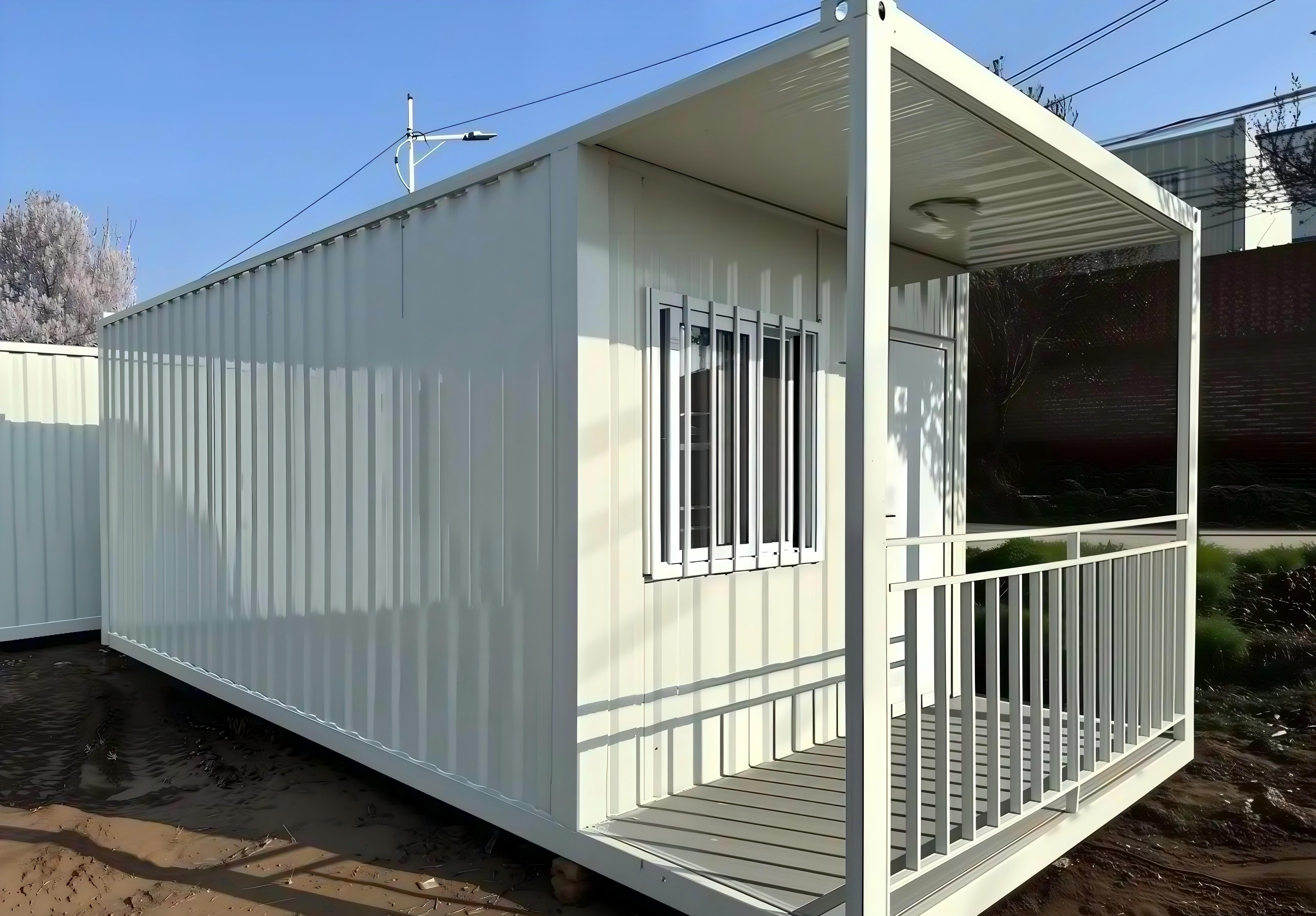
What Is a Modular Board House?
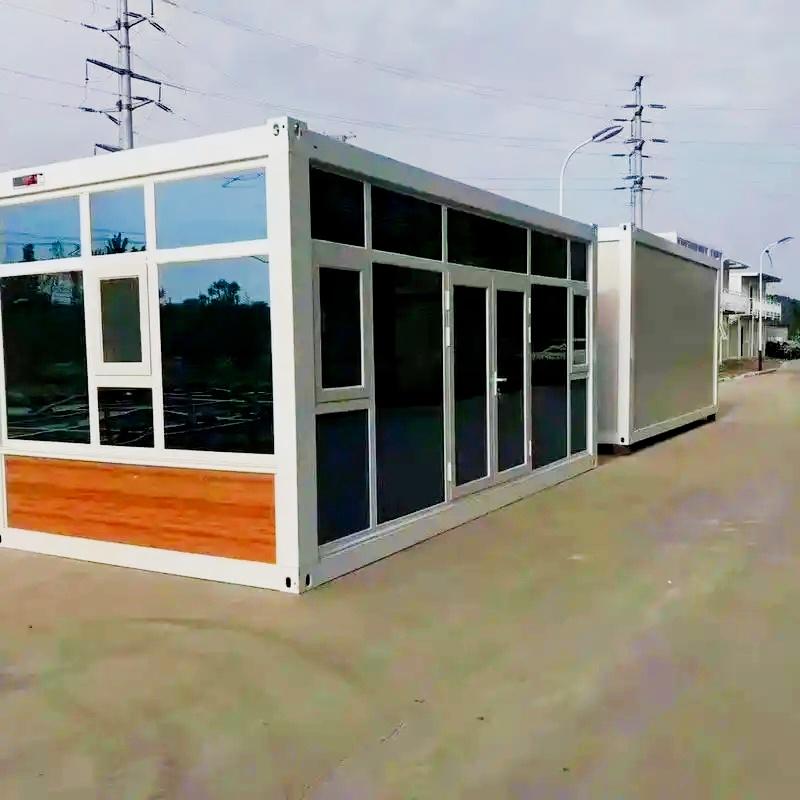
A modular board house is a prefabricated building made from a hot-dipped galvanized steel frame clad with sandwich panels. The “board” refers to the sandwich panel wall and roof system — typically EPS (expanded polystyrene), rockwool, or PU (polyurethane) foam sandwiched between two layers of color-coated steel sheet.
Unlike traditional brick-and-mortar construction, modular board houses are:
- Factory-built — all components are precision-cut and ready for assembly
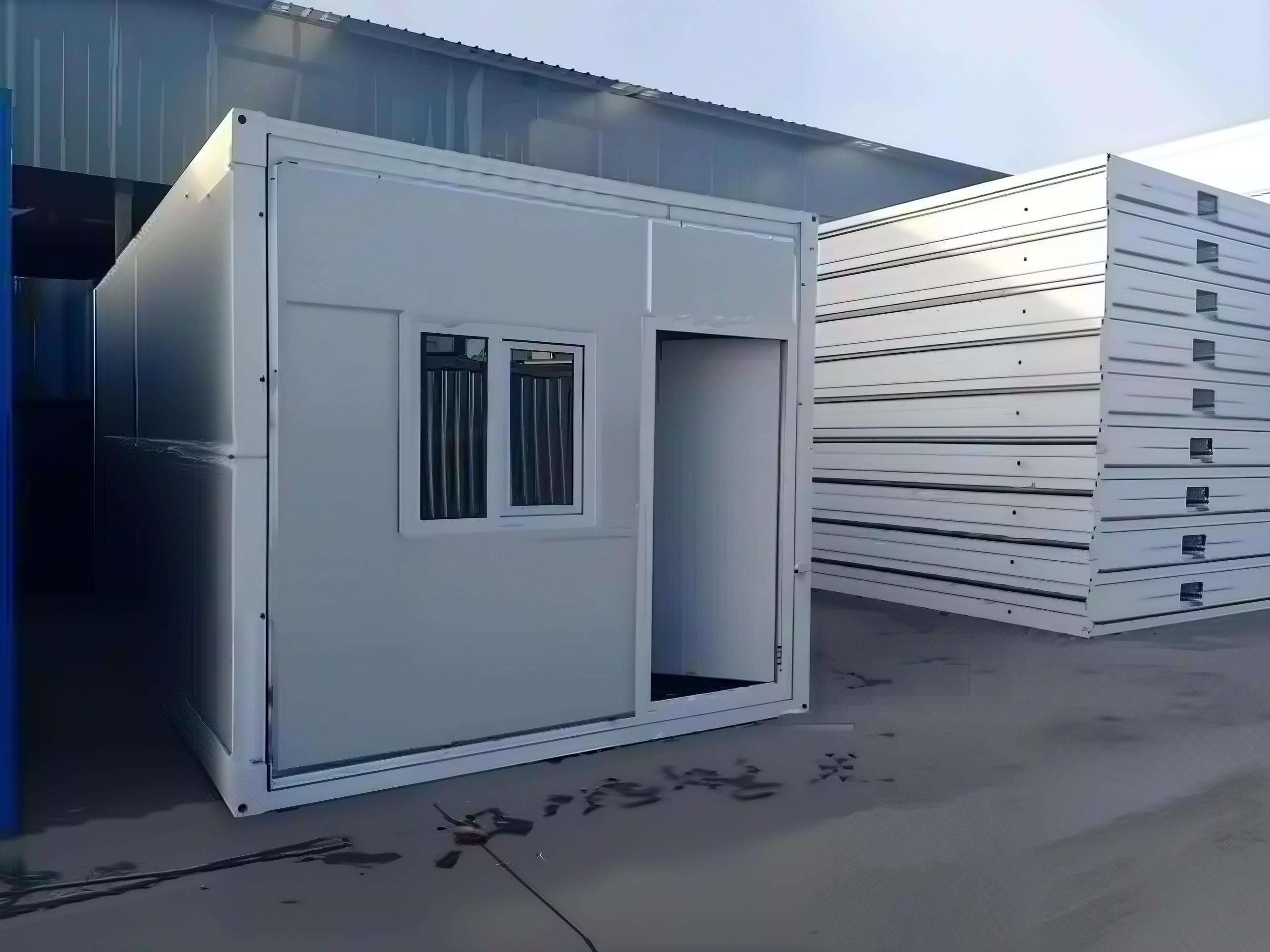
- Flat-packed — shipped in standard containers to save on freight costs
- Bolt-together — no welding, no wet trades, just simple on-site assembly
- Relocatable — disassemble, move, and rebuild at a new location
Key Components and Materials
1. Steel Frame
The structural frame is made from hot-dipped galvanized steel (Q235 or Q345 grade), which provides excellent corrosion resistance — essential for humid coastal environments in the Gulf region and tropical climates. The galvanized coating protects against rust and extends the service life to 15–20 years with proper maintenance.
2. Sandwich Panels (Walls and Roof)
Three common core materials are available, each suited to different climate and budget requirements:
| Panel Type | Insulation | Fire Rating | Best For |
|---|---|---|---|
| EPS Sandwich Panel | Good thermal insulation, lightweight | B1 / B2 (flame retardant) | Budget-friendly projects, mild climates |
| Rockwool Sandwich Panel | Excellent thermal + acoustic insulation | Class A (non-combustible) | Fire-sensitive environments, schools, hospitals |
| PU (Polyurethane) Sandwich Panel | Superior thermal insulation | B1 / B2 | Extreme temperatures — hot deserts or cold regions |
Panel thickness options: 50mm, 75mm, or 100mm. For Middle East climates, 75mm or 100mm rockwool or PU panels are recommended to minimize heat transfer and reduce air conditioning costs.
Why Choose a Modular Board House?
Fast Assembly
A standard modular board house unit can be assembled by 3 workers in a single day. The bolt-together design requires no specialized labor, no heavy machinery, and no wet trades like concrete pouring or bricklaying.
Cost-Effective Shipping
All components are flat-packed and loaded into standard 20ft or 40ft shipping containers. A single 40ft container can carry enough material for multiple units, making sea freight extremely economical — especially for bulk orders from China to the Middle East or Africa.
Customizable Design
Modular board houses can be fully customized:
- Size — standard 3m x 6m or 3m x 8m, or any custom dimensions
- Layout — single room, multi-room, open plan, partitioned
- Doors & Windows — aluminum sliding windows, steel doors, security grilles
- Electrical — pre-wired with lighting, switches, sockets, and AC prep
- Flooring — PVC tiles, ceramic tiles, or wooden flooring
- Exterior — custom colors, branding, signage
Expandable and Relocatable
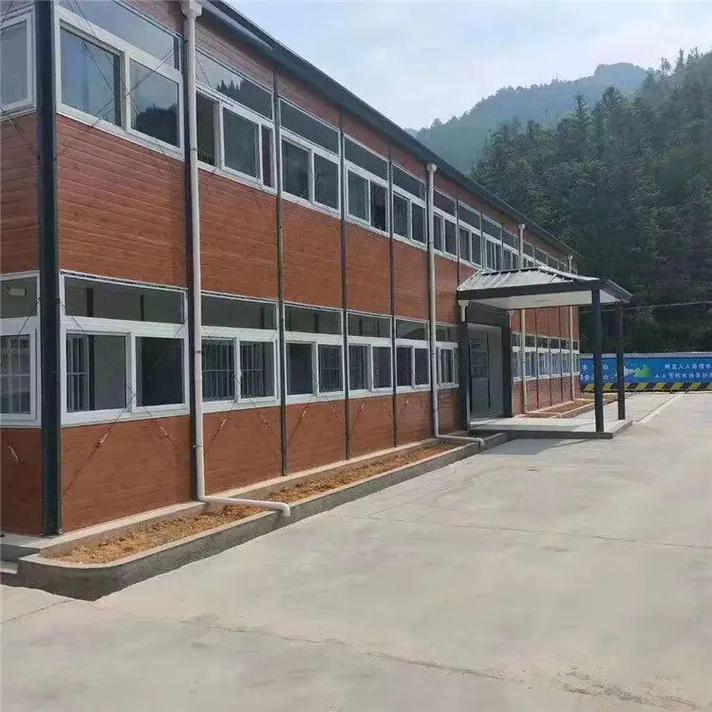
Units can be connected side-by-side or stacked to create larger spaces — a 2-story office building, dormitory blocks, or an entire camp. When the project ends, the units can be disassembled, moved, and reused at a new site.
Common Applications
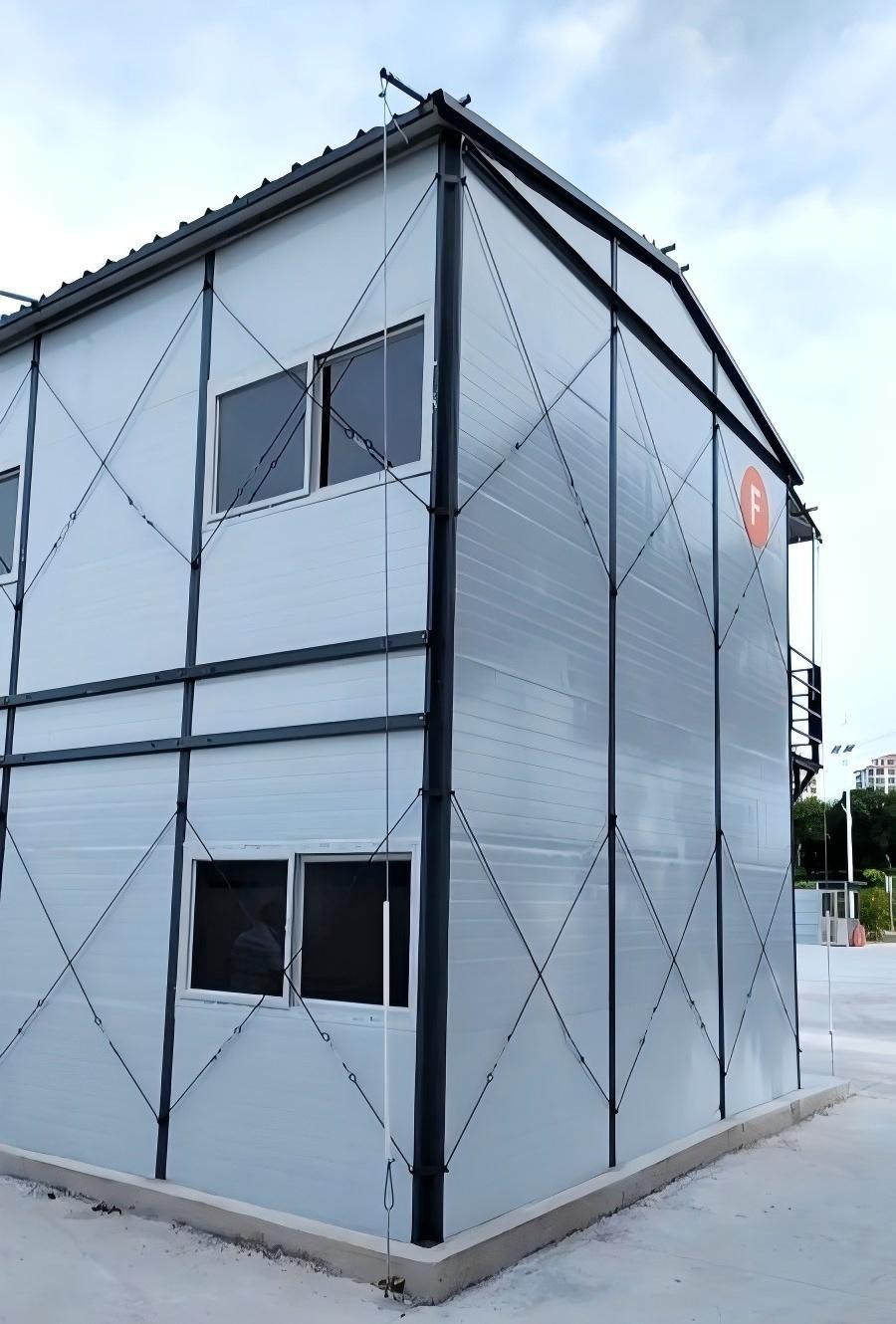
Modular board houses are used across many industries:
- Construction camps — worker dormitories, canteens, site offices, toilet blocks
- Education — temporary or permanent school classrooms, especially in remote areas
- Healthcare — medical clinics, quarantine units, vaccination centers
- Commercial — small shops, market stalls, kiosks, container cafes
- Emergency housing — disaster relief shelters, refugee camps
- Hospitality — camping resort cabins, glamping units, field lodges
- Industrial — warehouse storage, security guard houses, pump station shelters
Sourcing from China: What Buyers Need to Know
Quality Standards
When sourcing modular board houses from China, ensure your supplier meets these requirements:
- Steel grade — Q235 or Q345 hot-dipped galvanized, with documented mill certificates
- Panel certification — fire rating test reports (Class A / B1 / B2)
- Corrosion protection — galvanized coating thickness and salt spray test results
- Structural design — engineered for local wind load and seismic requirements
Customization and OEM
A reliable supplier offers full OEM/ODM services. At XinChens, we customize floor plans, panel types, colors, electrical layouts, and even provide the complete interior fit-out — so your units arrive ready for immediate use. Contact us to discuss your project requirements.
Shipping and Logistics
Flat-packed modular board houses ship efficiently via sea freight. Standard FCL (full container load) shipping from Chinese ports like Shenzhen, Guangzhou, or Shanghai to Jeddah, Dammam, Dubai, or Doha typically takes 15–25 days. The lead time for production is 15–25 days after order confirmation, with an MOQ of 10 units.
Frequently Asked Questions
How long does a modular board house last?
With proper maintenance — including regular inspection of the steel frame for corrosion and timely repair of panel seals — a modular board house can last 15–20 years. The replaceable nature of sandwich panels and steel components means individual parts can be swapped as needed.
Can modular board houses withstand extreme heat?
Yes. When fitted with 75mm or 100mm rockwool or PU sandwich panels, modular board houses provide excellent thermal insulation. The galvanized steel frame and reflective coated steel panels also help reduce heat absorption. Many units across Saudi Arabia, the UAE, and Qatar operate comfortably in summer temperatures exceeding 50°C.
Are modular board houses fire-safe?
It depends on the panel core material. Rockwool sandwich panels are Class A non-combustible — the safest option for fire-sensitive environments like schools, hospitals, and oil & gas camps. EPS and PU panels are available with flame-retardant treatment (B1 / B2 grade). Always verify your supplier’s fire test certificates.
What is the minimum order quantity?
Most factories set an MOQ of around 10 units for standard sizes. For larger projects or repeat orders, better pricing and shorter lead times are typically available.
Get a Quote for Your Project
Looking for modular board houses for your construction camp, school project, or emergency housing program? Visit our Modular Board House product page for full specifications, or contact XinChens directly for a customized quote.
We work with buyers across the Middle East, Africa, and Asia — providing factory-direct pricing, OEM customization, and end-to-end shipping support.
Leave a Reply